


Gratitude: How It Strengthens Body, Mind, and Nutrition
Gratitude is far more than just a simple feeling. It is a psychobiological state that triggers measurable positive effects while gently guiding our behavior in a mindful way. Especially during Advent, when the focus is often on abundance, consumption, and expectations, gratitude can bring us a little closer to ourselves and back to what truly matters – whether for the small or the big things in life. At the same time, we ourselves benefit enormously from it.
How gratitude strengthens the body
When we feel grateful, our body immediately responds with measurable changes:
• Stress reduction: The release of cortisol is reduced, calming the physiological stress cycle.
• Better sleep: Positive thoughts in the evening promote falling asleep faster and less nighttime rumination.
• Stronger immune system: Positive emotions are associated with improved inflammatory markers and stronger defenses.
• Cardiovascular health: Gratitude increases heart rate variability—a sign of inner resilience and recovery capacity.
How gratitude nourishes the soul
On an emotional level, gratitude directs our attention in a positive direction—away from thoughts of lack (“I have so much to do” or “This and that is missing”)—toward the resources and connections that support us. Gratitude promotes …• Feelings of happiness: The brain releases the neurotransmitters dopamine and serotonin – two happiness hormones.
• Resilience: It helps us face challenges with greater calmness.
• Optimism: Our focus shifts more often to what is working well.
• Connection: Grateful people perceive social support more consciously, as well as the importance of the environment and nature.
• Sense of meaning: Everyday life gains more depth, and even small moments feel significant.
How gratitude influences our nutrition
Gratitude also affects our relationship with food and nutrition. It can change how we eat and what we choose:
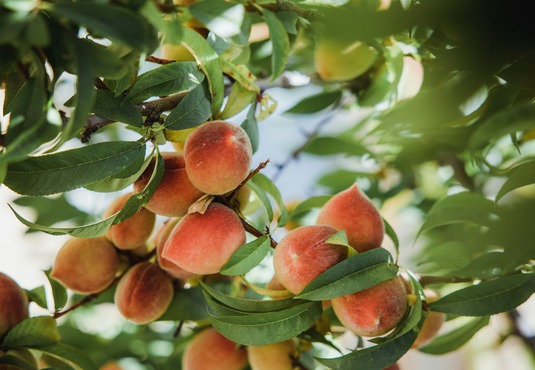
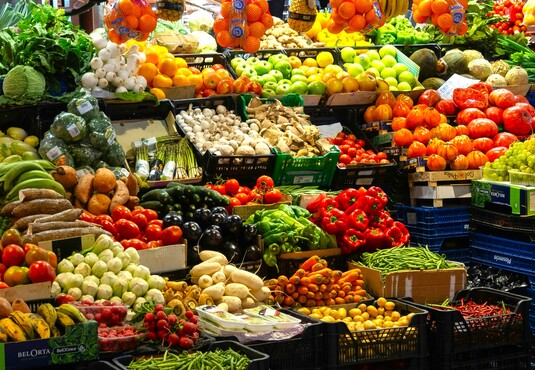
• Conscious choices: When we become aware of how many steps lie behind an apple, a carrot, or a cup of tea – from the soil to the harvest, from transport to preparation – more mindfulness and appreciation naturally arise. This often leads to more seasonal, regional, or sustainable choices.
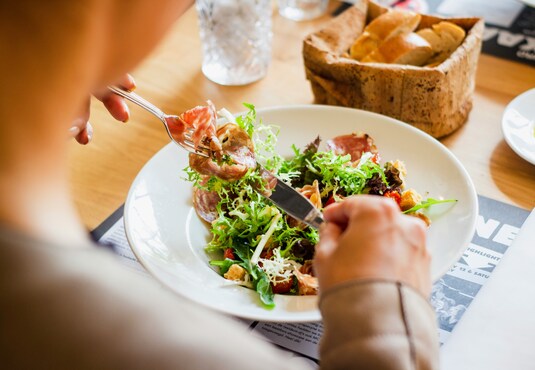
• Deeper enjoyment: Gratitude slows down the eating moment. We taste more intensely, notice textures and aromas better, and eat less “on the side.” This also promotes inner satiety and increases satisfaction with a meal. A positive side effect: the amount consumed is very likely smaller – a small piece of sugary Advent treat is enough.
• Better nutrient intake: We reach more often for fresh, nutrient-rich, and healthy foods because we recognize their value and want to do something good for ourselves.
• Less waste: Those who appreciate food plan better, use leftovers more creatively, and thus reduce food waste – a major contribution to environmental and climate protection.
Practicing gratitude made simple
Gratitude does not mean always having to be cheerful or optimistic, or finding something good in every complicated situation. That would mean suppressing important feelings such as sadness or anger. “Healthy” gratitude, on the other hand, means consciously noticing and acknowledging the positive aspects of life. Regular gratitude exercises can help, for example in the simple form of a gratitude journal:
Write down three things every evening for which you personally felt grateful today. They do not have to be big or life-changing. Every small little thing you are grateful for counts – it could be a good lunch, the enjoyment of a delicious drink, a moment of peace (in nature), a friendly smile, or a conversation with family. Try it out and enjoy this powerful ritual especially now – as a quiet counterbalance to all the loud things of Advent.