

10 Good Reasons for More Plants on Your Plate
Eating more plant-based foods is not a short-lived trend – it is a well-founded recommendation in nutritional science. Numerous studies show that people who follow a balanced, mostly plant-based diet have a lower risk of cardiovascular disease, diabetes, and cancer. The Austrian food pyramid also clearly places plant-based foods at the center. It recommends daily:
- 3 portions of vegetables
- 2 portions of fruit
- 4 portions of carbohydrate-rich foods such as cereals (preferably whole grain) and potatoes
- 2 portions of fats, oils, nuts, and seeds
Legumes – such as lentils, beans, or chickpeas – also play an important role in these recommendations: they should appear on the plate about three times per week. In addition, a new vegetarian and vegan food pyramid shows that a balanced diet is also possible without meat or fish.
But what are the concrete reasons for eating more plants in everyday life? Here are ten convincing ones:
1. Fiber: good for the gut, heart, and satiety
Vegetables, fruit, whole grains, and legumes provide plenty of dietary fiber. These indigestible food components are found only in plant-based foods. They support healthy digestion, promote long-lasting satiety, nourish the gut microbiome, stabilize blood sugar levels, and help lower cholesterol.
2. Vitamins, minerals, and phytochemicals – small helpers with big effects
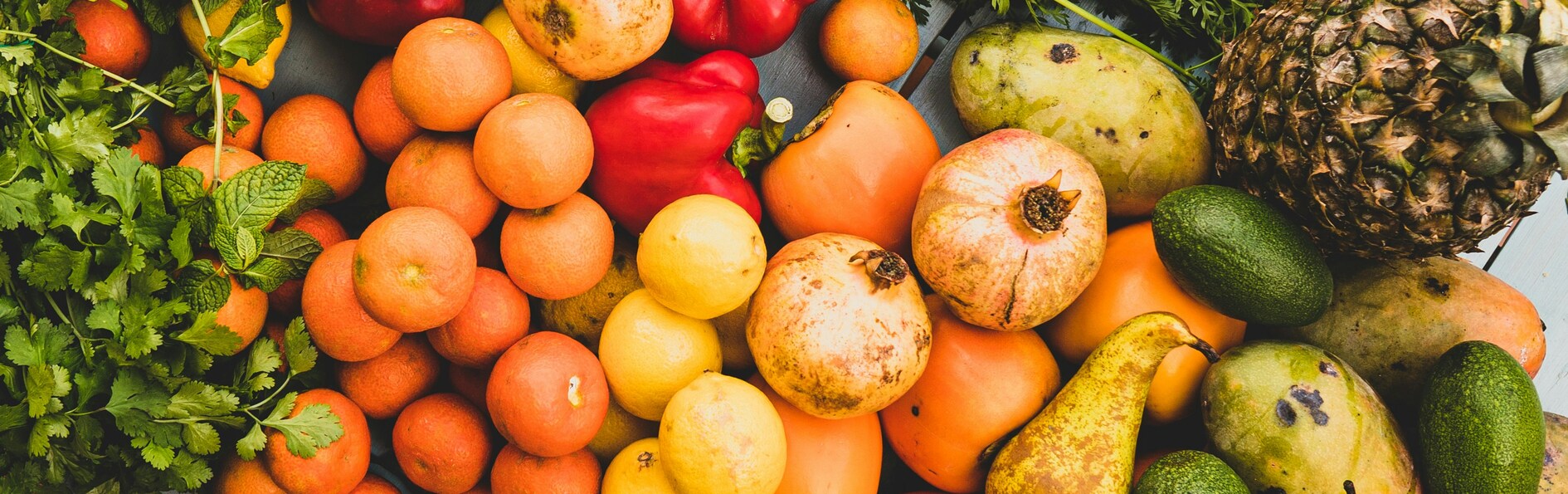
Plant-based foods are particularly rich in micronutrients such as essential vitamins, trace elements, and minerals. The vibrant colors of fruit and vegetables are more than just visually appealing. They come from phytochemicals, which can have anti-inflammatory effects, help lower blood pressure and cholesterol, support the immune system, protect cells, and may reduce the risk of chronic diseases. Around 10,000 of these fascinating plant compounds are known in our diet.
3. Healthy fats for the heart and blood vessels
Plant-based foods mainly contain monounsaturated and polyunsaturated fatty acids, which have a positive effect on blood lipids. In contrast, many animal products contain higher amounts of saturated fats, which in large quantities can be less favorable for cardiovascular health.
4. Plant protein – versatile and high quality
Legumes, nuts, seeds, and whole grains provide valuable protein. When combined wisely, they supply the body with optimal protein – even without meat or fish. (here more about the biological value of protein)
5. A full plate for a balanced body weight
Plant-based foods form the basis of a healthy diet because they are nutrient-dense yet relatively low in energy. They fill the plate without providing too many calories, helping to achieve or maintain a healthy body weight.
6. Good for the environment and climate
The production of animal-based foods accounts for a large share of diet-related greenhouse gas emissions (60%), requires a lot of land (80% of agricultural land use), and also consumes significant amounts of water. Plant-based foods perform much better in this regard – especially when regional, seasonal, and organic products are chosen.
7. Variety that brings joy
The range of plant-based foods is enormous: from countless types of vegetables and fruit to different grains, legumes, nuts, and seeds. Diverse preparation methods and trying new ingredients create variety and increase enjoyment of food. The more colorful the meals, the more diverse the nutrient intake.
8. Good for the budget
Lentils, beans, oats, rice, potatoes, or seasonal vegetables are affordable, easy to store, and versatile. A plant-rich diet can therefore also help reduce household expenses.
9. Easy to integrate into everyday life
Fruit, vegetables, grains, nuts, and seeds can usually be easily added to any meal – whether breakfast, snack, lunch, or dinner, at home, in the cafeteria, or in a lunchbox on the go. A helpful habit is a quick, mindful check: How large is the plant-based share on the plate, and where could an animal-based ingredient be replaced with a plant-based one?
10. Healthier preparation methods
When meat is exposed to high heat – such as during intense frying or grilling – potentially harmful substances can form. Plant-based foods are much less affected by this, making them a good choice from a preparation perspective as well.
Step by step towards more plant diversity on the plate!
A plant-rich diet offers many benefits – for health, enjoyment, the environment, and your budget. The food pyramid serves as a guideline, not a strict rule. Even replacing just one animal-based meal with a plant-based alternative can make a noticeable difference. Every step counts – toward more plant diversity on every plate!