

Everything Organic?
Organic Means High Standards
Food produced organically is subject to the strictest legal regulations. During cultivation, easily soluble mineral fertilizers and synthetic chemical pesticides are not allowed. Animal farming is also held to stricter standards than conventional agriculture: animals have more space, access to the outdoors, receive only organically produced feed, and cannot be given genetically modified ingredients. The use of medication is also restricted.
There are also major differences in processing: far fewer additives (E-numbers) are permitted compared to conventionally produced foods. In addition, every step of production is monitored. Independent organic control bodies regularly inspect fields, barns, and final products. All requirements of the organic regulations must be met. These rules apply across the EU and cover both domestic and imported goods.
Health Aspects of Organic Food
Whether organically produced food is healthier than conventionally produced food cannot be answered universally. However, organic products have been proven to contain fewer pesticide residues. This is especially relevant for foods consumed regularly, such as bread, fruit and vegetables, dairy products, and eggs.
One clear advantage of organic food is avoiding exposure to so-called “pesticide cocktails,” whose long-term effects on the human body are still not fully understood. Because plants grown organically are exposed to less pesticide stress, they often produce more secondary plant compounds, which can result in foods with higher nutrient density.
Does an Organic Apple Taste Better?
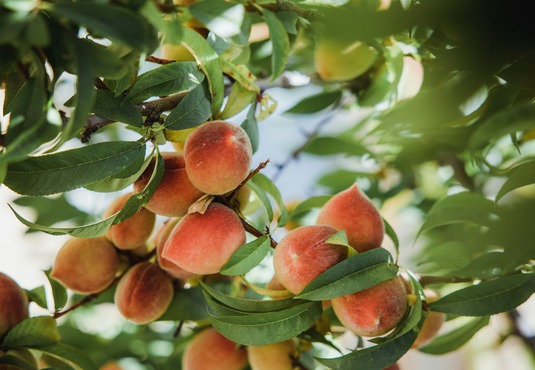
Food from organic farming generally has a higher dry matter content, meaning it contains less water and often tastes more aromatic. One reason is the composition of the soil, which typically contains less nitrogen in organic farming. In conventional agriculture, nitrogen can make produce heavier but often with less aroma or color. These differences may be noticeable in taste. That said, high-quality products can also be found in conventional farming. Actual differences depend greatly on the individual farm, cultivation methods, and especially climatic conditions.
Organic vs. Regional
Regionality is not automatically a criterion for organic certification. Products with an organic label do not necessarily come from your local area. When food is grown nearby, for example within Austria, it supports local agriculture, reduces dependence on imports, and shorter transport distances are better for the climate. At the same time, pesticides used in conventional farming can damage soil, groundwater, biodiversity, wild plants, insects, bees, and birds. These environmental impacts have long-term consequences.
Organic products are usually somewhat more expensive, but they generally place fewer hidden costs on the environment. If you must choose between organic and regional, it is worth weighing the factors: How far has the organic product traveled, and how significant is the price difference?
Other Factors in Food Choices
Besides organic quality, regionality, and taste, other criteria matter as well. If possible, buying directly from a nearby farmer or at a local market often offers greater transparency and freshness. Small farms may work sustainably even without official organic certification. Growing your own produce can also be valuable. Homegrown fruit, vegetables, or herbs give you full control over cultivation and fertilization, for example through composting.
Seasonality is another key factor. Foods harvested at the right time of year are usually more flavorful and nutrient-rich. It is also worth checking product origins in supermarkets: many everyday foods have traveled long distances. Bananas, avocados, and mangoes, for example, often come from South America or Africa.
Conclusion
Organic food can make a valuable contribution to a health-conscious and mindful diet, particularly because of its lower pesticide exposure. At the same time, regionality and seasonality are equally important factors for sustainability and nutrient diversity.
The best choice is rarely an “either-or” decision, but rather a thoughtful combination. If you are not shopping at a farmer’s market or directly from a farm, check product origins in the supermarket and stay informed about seasonal produce. If a product is regional and seasonal, choosing organic quality adds another layer of value.
One thing is certain: choosing high-quality, minimally processed, and responsibly produced food benefits both personal health and the environment in the long term.