
Back to School: Smart Hydration for Kids
Why Smart Hydration Matters
Staying sufficiently hydrated is important at every stage of life and particularly for children. Among other things, the body needs water to transport nutrients, regulate body temperature and support numerous metabolic processes. Just like adults, however, children can quickly forget to drink – while playing, during school breaks or when studying. Even a slight lack of fluids can affect perception as well as performance and concentration.
The choice of beverages is also important, not just the amount consumed. Water, mineral water and unsweetened fruit and herbal teas are ideal choices. Highly diluted fruit juices can also add variety and provide a little energy from time to time. Sugary beverages such as soft drinks, sugary iced teas and fruit juice drinks, on the other hand, are not suitable for quenching thirst on a daily basis.
What Can Adults Do?
Adults – whether parents, teachers or other caregivers – can do a lot to help children develop healthy hydration habits that support their health and performance:
• Set a good example: Children are strongly influenced by the people around them. That is why healthy hydration habits start at home, not just at school. When parents regularly drink water themselves and make suitable beverages readily available, these choices become normal for children too.
• Create regular hydration routines: A glass of water at breakfast, during school breaks, and before and after PE or recreational sports can create a simple routine. At home, a glass should also always be available at the table, or children can be encouraged to have a drink when they come back inside after playing in the garden. Over time, parents can become quiet observers: some children will eventually reach for their water bottle independently, while others may still need more frequent reminders.
• Check the sugar content when shopping: The SIPCAN Beverage Check provides a simple guide. It shows which beverages are below or above the current limit of 6.3 g of sugar per 100 ml. Beverages should also be free from sweeteners. These criteria are also recommended for beverage vending machines in schools.
• Reduce sweetness step by step: If children are used to sweet beverages, water may initially seem boring. One way to help is to gradually dilute juices with more water, allowing children to slowly get used to less sweetness. Changes can take time.
• Avoid strict bans: Sugary beverages should not become “forbidden drinks”. To take the pressure out of the situation, finding a compromise between adults and children is often more effective. What matters most is what is consumed regularly. If water is the first choice in everyday life, there is still room for a sweet beverage from time to time – ideally with a meal or on special occasions.
What Motivates Children Most!
Healthy habits are easier to establish when children can get actively involved and be creative themselves:
• Make water fun: Together, water or unsweetened tea can be flavoured with berries, lemon, lime, orange, cucumber or fresh herbs. This can turn simple water into an exciting beverage. The fun can start while shopping and become part of a new routine: for example, children can choose a piece of fruit for their own “fruit-infused water” or a type of tea for homemade iced tea.
• Try something new: Small taste experiments are a fun way to spark curiosity – both at home and in the classroom. How does homemade lemonade with less sugar compare with a sugary soft drink from the supermarket? How can iced tea be prepared at home? Are there new beverages that still taste good despite being less sweet?
• Personalise their own water bottle: A reusable bottle belongs in every schoolbag and should also be taken along for sports and excursions. Whether chosen by the child or decorated with stickers, a personal bottle can make staying hydrated even more appealing.
“Schlau trinken!” – A Success Story
The long-running “Schlau trinken!” project by SIPCAN shows how important the right environment is alongside good nutrition knowledge. Since 2009, the project has been supporting schools in promoting healthy hydration habits among students. From the very beginning, it has focused on two areas: children learn about healthy, “smart” hydration in the classroom, while the range of beverages available at school is improved at the same time.
Over the years, the project has continued to evolve. With the “Schlau-Trinken-Pass”, for example, students monitor their own hydration habits and put what they have learned into practice in their everyday lives. Recycling beverage packaging has also become an important part of the project. Last school year, the video competition “Schlau trinken & recyceln! – The Challenge” was launched.
The project's long-standing impact is reflected in its reach: since the 2018/19 school year, more than 66,000 students at over 650 schools across Austria have been reached. RAUCH has been supporting the initiative for more than 15 years and continues to be one of its major supporters.
Back to School: A Good Time to Build Healthy Hydration Habits!
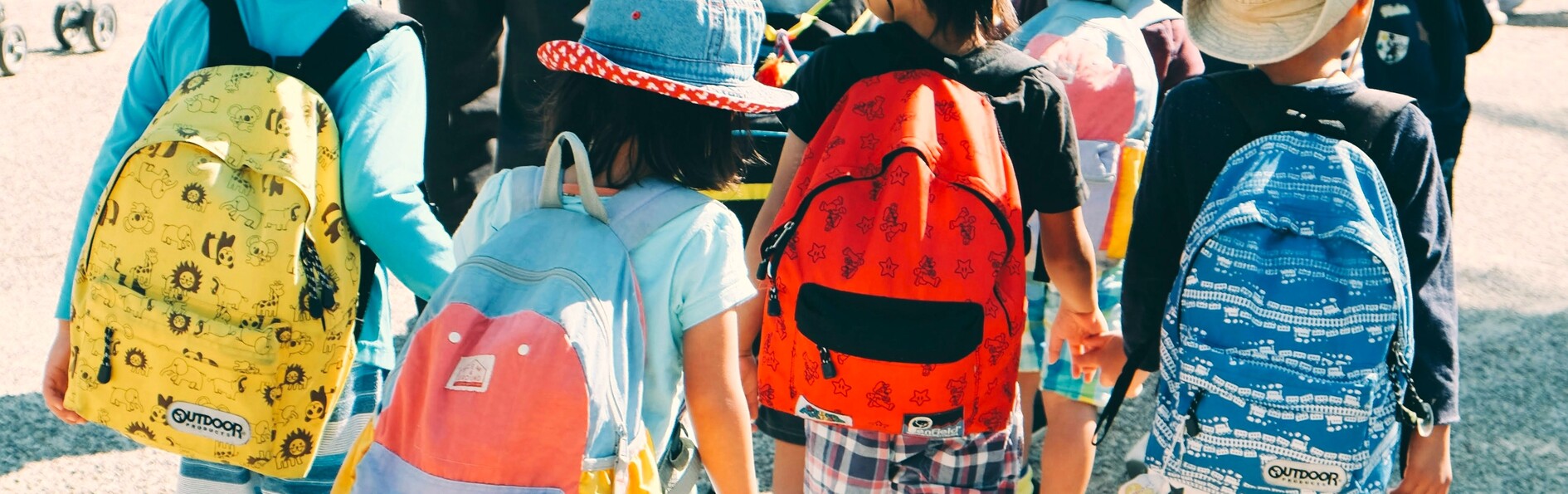
The start of the school year is a great opportunity to establish new hydration habits – with a cool water bottle and simple routines that make staying hydrated a natural part of the day. Healthy hydration habits develop above all through repetition, good role models and an environment that makes the right choice easier.
That is the idea behind “Schlau trinken!”: not forcing children to make healthy choices, but giving them the best possible conditions to make healthy hydration a natural part of everyday life.